Where We Are Since the Think Award
The Volcanix Team · Season catch-up
This is the first of our team updates. We are writing these so our sponsors and mentors can see what we are doing without us having to book a meeting every time something changes. This first one is a catch-up: everything since we won the Think Award at our first UK qualifier.
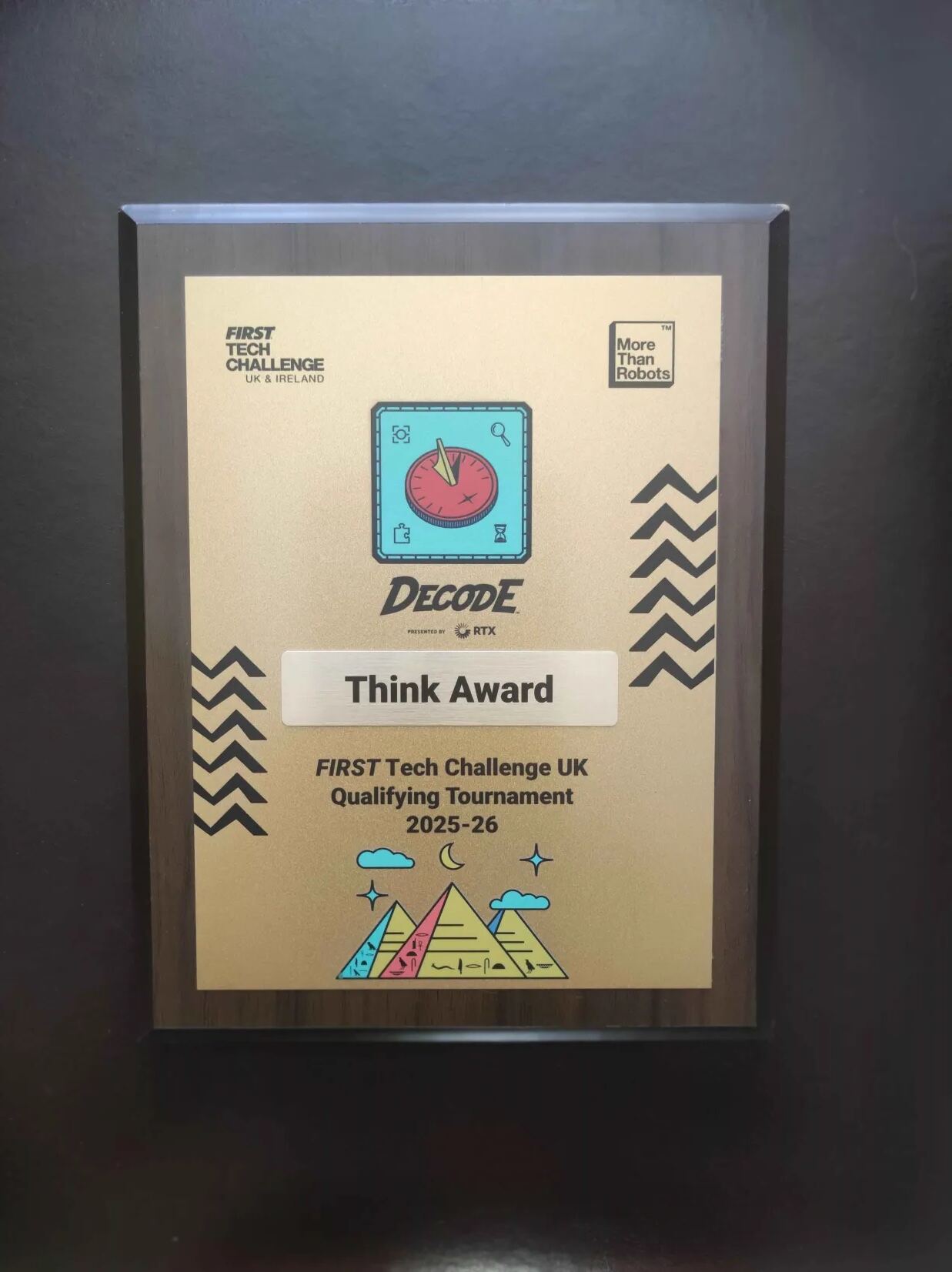
The Award
The Think Award is judged on the engineering portfolio: how a team reasons about its design, not how well the robot happens to run on the day. Winning it at our first qualifier told us the thing we most wanted to know, which is that documenting the process as we went was worth the time it cost.
The portfolio that won it is sixteen pages and it is on this site in full. So is the reasoning behind every subsystem.
The Robot
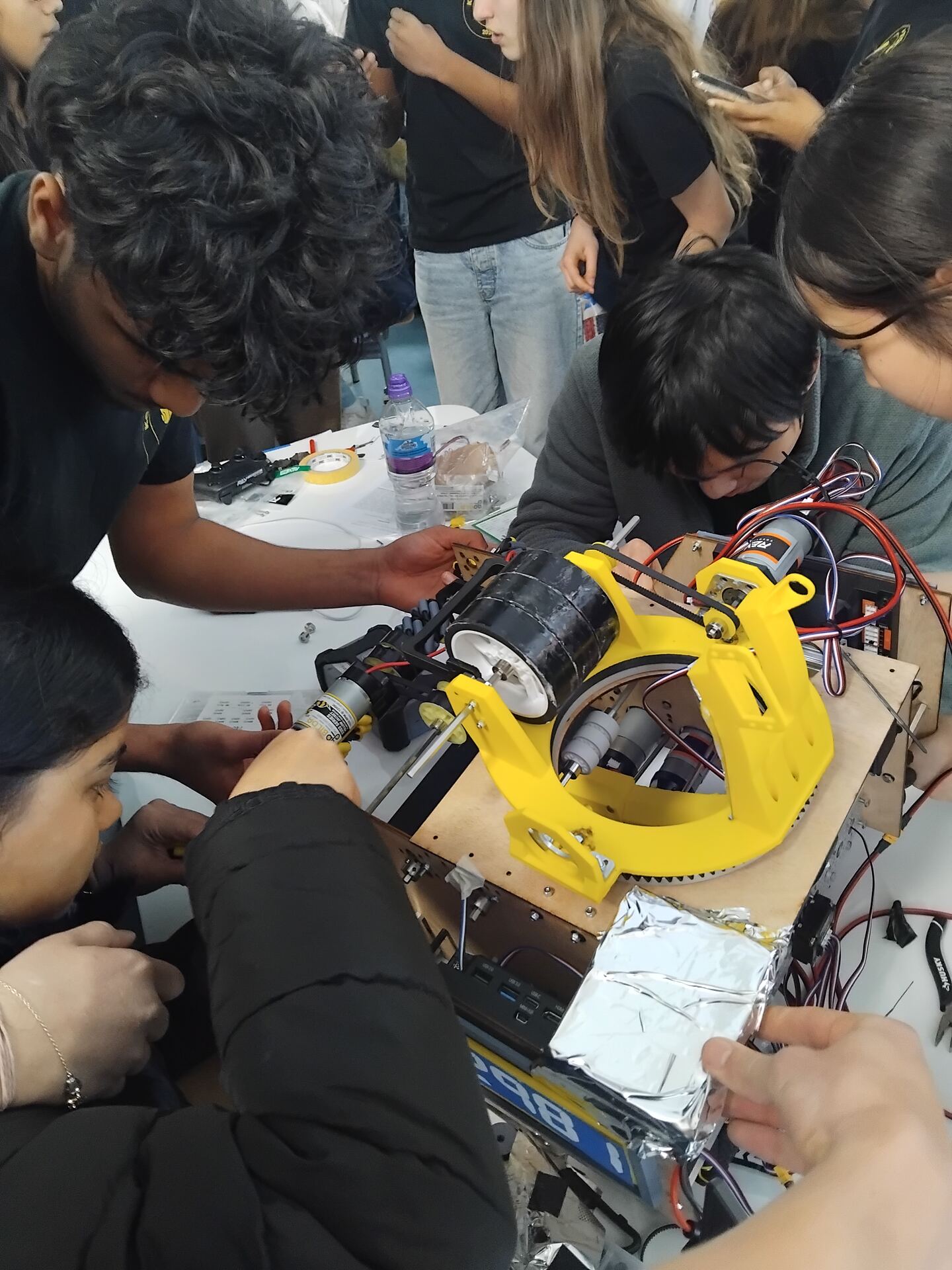
We are competing in DECODE. Robots read a coded pattern with vision, then launch artifacts into goals in that order, so the season rewards two separate things: reading the pattern correctly, and putting artifacts where you meant to, repeatedly.
What we built for that:
- A mecanum drivetrain, for lateral movement without turning first.
- Three-wheel odometry, so the robot's idea of where it is can be trusted.
- Pedro Pathing for autonomous movement.
- A Limelight vision stack, which we tuned ourselves rather than taking off the shelf.
- A dual-flywheel launcher, tuned for repeatable shots rather than maximum range.
The trade we kept coming back to is that a launcher which is accurate but slow loses to one that is slightly less accurate and can cycle. Where we chose to sit on that is written up properly in the portfolio.
The Season So Far
Outreach
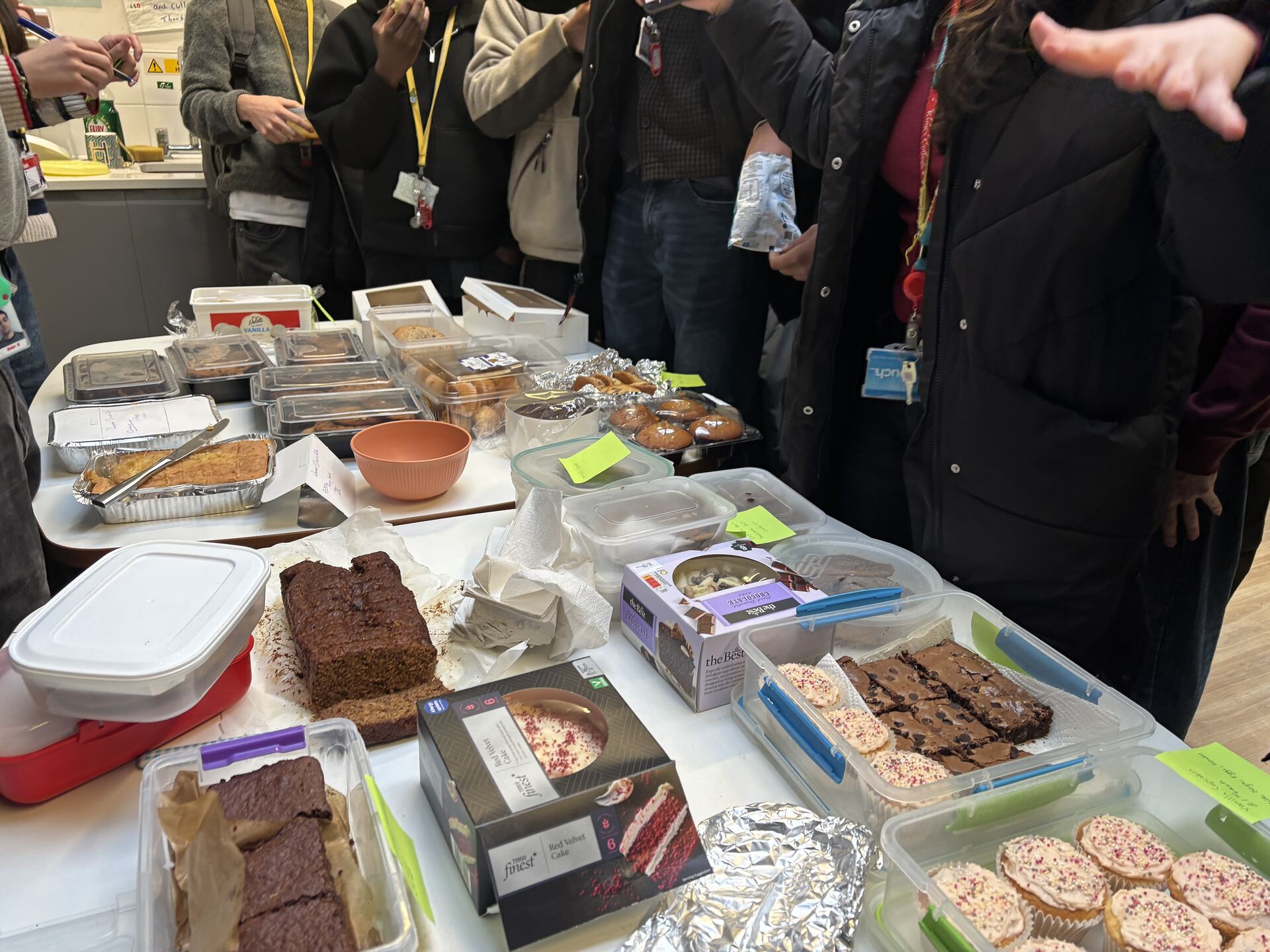
Fifteen of us build the robot, but the outreach reaches further than that. School visits, workshops and help for rookie teams have put us in front of around two hundred younger students so far. We also ran a bake sale, which paid for parts and was more work than it sounds.
Everything we make is open source by default. The CAD, the code and the write-ups are all public, because a season of tuning notes is more use to the next rookie team than it is sitting unread in our repository.
Where the Money Went
Sponsorship pays for parts, competition entry fees and outreach. We publish our books rather than summarising them, so every transaction this season is listed in full, with what it was for.
Thank You
None of the above happens without our sponsors. King's College London and Record Financial Group at Tensor tier, and Apian at Matrix tier, paid for the parts this robot is made of and the entry fees that got it to a competition.
If your company wants to do the same, the tiers start under £100 and our books are public. Sponsor the team →
What's Next
Between now and the next update we are working on autonomous consistency, because a routine that scores well four times out of five is worth less than a duller one that scores every time. We are also tightening the vision pipeline's handling of poor lighting, which cost us at the qualifier.
The next update goes up after our next milestone rather than on a fixed date, so it will have something real in it.